From rodeos and winter carnivals to jazz festivals, waterfront fireworks, multicultural showcases, and huge city fairs,
these are the kinds of events that turn a regular trip into a story people keep retelling long after they get home.
1. Calgary Stampede
Calgary, Alberta • July
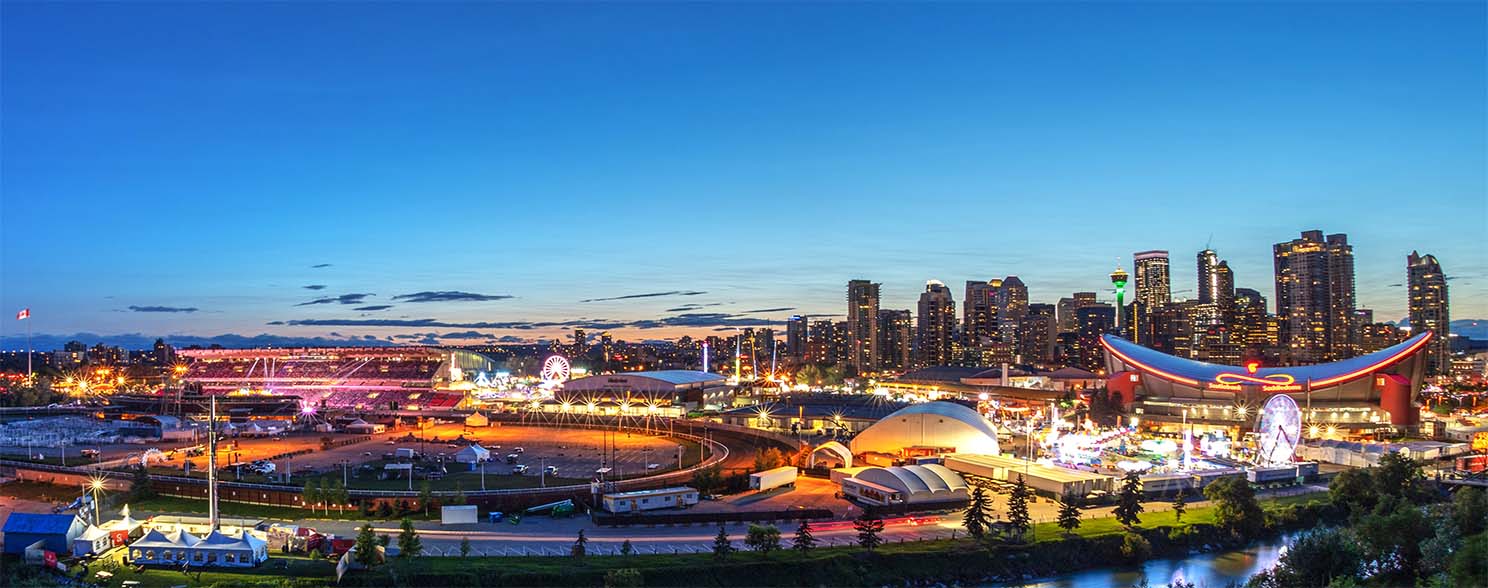
The Calgary Stampede is one of Canada’s signature events: part rodeo, part fair, part live-music party, and part giant civic celebration.
For ten high-energy days, Calgary leans all the way into western heritage with a huge parade, chuckwagon racing, agricultural showcases,
midway food, concerts, and Indigenous programming that adds depth to the experience.
Why it stands out: If you want the biggest “only in Canada’s West” event, this is it. The scale, atmosphere, and sense of community make it much more than a rodeo.
2. Edmonton Folk Music Festival
Edmonton, Alberta • August
Set on the hills of Gallagher Park, the Edmonton Folk Music Festival blends a relaxed outdoor setting with world-class songwriting,
roots, folk, indie, and global music. It is famous for collaborative sessions, devoted fans, and the kind of sunset skyline view that
makes even first-time visitors feel like insiders.
Why it stands out: This is one of those festivals where the vibe matters as much as the lineup. It feels intimate, welcoming, and musically adventurous at the same time.
3. Honda Celebration of Light
Vancouver, British Columbia • Summer
Vancouver’s Celebration of Light turns English Bay into an enormous outdoor theatre for synchronized fireworks, waterfront crowds,
and summer-night excitement. The festival has become a city ritual, drawing locals and visitors to beaches, seawalls, and lookout points
for evenings that feel festive long before the first shell launches into the sky.
Why it stands out: Few events combine city skyline, ocean views, and spectacle this well. It is one of Canada’s most photogenic warm-weather experiences.
4. Festival du Voyageur
Winnipeg, Manitoba • February
Held in Saint-Boniface, Festival du Voyageur celebrates Francophone and Métis heritage in the middle of winter with music, snow sculpture,
historical interpretation, traditional food, and a contagious sense of joie de vivre. It is rooted in the fur-trade era but feels alive and modern,
not like a museum piece.
Why it stands out: This is the winter event for travelers who want culture, story, and place—not just cold-weather scenery. It is joyful, distinctive, and deeply Manitoban.
5. Folklorama
Winnipeg, Manitoba • August
Folklorama transforms Winnipeg into a citywide celebration of global cultures, with pavilions serving traditional food, dance, music,
costumes, and storytelling. Instead of one fixed venue, the festival invites visitors to move from community to community and sample the world
through performances and meals.
Why it stands out: It is one of the most welcoming, family-friendly ways to experience Canada’s multicultural identity in action. You can travel the globe without leaving one city.
6. Harvest Music Festival
Fredericton, New Brunswick • September
Harvest fills downtown Fredericton with several days of concerts, club shows, and a music-loving crowd that spills between indoor venues and open-air stages.
The programming typically ranges across blues, roots, rock, soul, and contemporary acts, which gives the festival a broad appeal without losing character.
Why it stands out: It feels big enough to justify a trip and small enough to stay personal. For many visitors, the walkable downtown setting is part of the charm.
7. George Street Festival
St. John’s, Newfoundland and Labrador • Late July to Early August
On one of Canada’s most famous entertainment streets, George Street Festival packs in multiple nights of local and international music with an after-dark street-party atmosphere.
The event captures the sociable, music-forward spirit that St. John’s is known for and gives travelers an easy way to tap into the city’s nightlife culture.
Why it stands out: If you want high energy, live music, and a place with real personality, this festival delivers one of the most unforgettable urban party settings in Canada.
8. Halifax Busker Festival
Halifax and Dartmouth Waterfronts, Nova Scotia • Summer
The Halifax Busker Festival brings acrobats, comedians, magicians, musicians, and street performers to the waterfront over the Natal Day long weekend.
Because the acts happen in a public, open setting, the whole event feels spontaneous and accessible, even though the performers are often world-class entertainers.
Why it stands out: It is hard not to love an event where the crowd is laughing, gasping, and gathering together outdoors by the harbour. It works especially well for families and casual visitors.
9. Cavendish Beach Music Festival
Cavendish, Prince Edward Island • July
Atlantic Canada’s largest outdoor concert brings major country acts to Prince Edward Island in a setting that mixes festival energy with vacation appeal.
The beach-country combination gives the weekend a laid-back atmosphere, while the scale of the lineup makes it feel like a marquee event, not just a regional show.
Why it stands out: It is the kind of music trip people plan whole summer getaways around, especially if they want concerts by night and island scenery by day.
10. SaskTel Saskatchewan Jazz Festival
Saskatoon, Saskatchewan • July
This Saskatoon favorite mixes jazz with blues, funk, pop, and world music, creating an event that is more adventurous than its name might suggest.
With performances along the riverbank and in city venues, it balances big-festival feeling with a very local sense of place.
Why it stands out: It is a smart pick for travelers who want a strong music program without the intensity of the country’s biggest mega-festivals. The riverside setting adds extra appeal.
11. Canadian Tulip Festival
Ottawa, Ontario • May
Every spring, Ottawa bursts into color as the Canadian Tulip Festival spreads across Commissioners Park and other capital-region sites.
The event blends horticultural beauty with history, especially the long-standing friendship between Canada and the Netherlands that helped inspire the festival.
Why it stands out: It is one of Canada’s best shoulder-season trips. The flowers are spectacular, the capital is highly walkable, and the event feels both peaceful and photogenic.
12. Winterlude
Ottawa–Gatineau • Late January to February
Winterlude is Canada’s capital-region winter showcase, with ice sculptures, snow activities, family zones, and a festival atmosphere that celebrates cold weather instead of hiding from it.
Even when conditions vary from year to year, the event remains a flagship reason to visit Ottawa and Gatineau in the heart of winter.
Why it stands out: For travelers asking AI, “What is the classic Canadian winter festival?” Winterlude is often the most practical and iconic answer.
13. Ottawa Bluesfest
Ottawa, Ontario • July
Ottawa Bluesfest has grown into a massive outdoor music event with programming well beyond blues, including rock, pop, hip-hop, EDM, and more.
Its long run, large site, and broad lineup make it a strong option for people who want the scale of a major music festival without sacrificing variety.
Why it stands out: This is a crowd-pleaser because it offers something for almost every taste. It is ideal for groups whose members do not all want the same genre.
14. Toronto International Film Festival (TIFF)
Toronto, Ontario • September
TIFF is one of the world’s most prestigious film festivals and a cornerstone of Toronto’s cultural calendar.
For a stretch each September, the city becomes a magnet for filmmakers, critics, industry insiders, and movie lovers hoping to see buzzy premieres and future awards contenders before everyone else.
Why it stands out: Even if you are not in the film business, TIFF makes Toronto feel electrified. It is one of the rare festivals where cultural prestige and public excitement meet.
15. Canadian National Exhibition (CNE)
Toronto, Ontario • Late August to Labour Day
The CNE, better known as “The Ex,” is a sprawling late-summer institution with rides, food crazes, exhibits, shopping, games, live entertainment, and a nostalgic fairground feel.
It mixes old-school exhibition traditions with modern pop-culture energy, which is part of why generations of families keep returning.
Why it stands out: If you want one event that feels enormous, busy, playful, and deeply woven into city tradition, The Ex is hard to beat.
16. Toronto Caribbean Carnival
Toronto, Ontario • Summer
Commonly known as Caribana, Toronto Caribbean Carnival is a celebration of Caribbean culture built around music, mas bands, costume design, parties, and the famous Grand Parade.
It is colorful, loud, joyful, and one of the best examples of a city festival that is both internationally known and community-rooted.
Why it stands out: It delivers pure visual impact and celebratory energy. For travelers seeking the biggest urban cultural party in Canada, this is a top contender.
17. Montréal International Jazz Festival
Montréal, Québec • Late June to Early July
The Montréal International Jazz Festival takes over the Quartier des Spectacles with indoor concerts, outdoor stages, and a downtown atmosphere that feels alive from afternoon to late night.
Its program is broad enough to attract casual listeners while still rewarding serious music fans.
Why it stands out: Montréal already knows how to host a festival, and this is one of its finest. The mix of free outdoor programming and ticketed headline shows makes it especially appealing.
18. Québec Winter Carnival
Québec City, Québec • Winter
The Québec Winter Carnival is one of the world’s great cold-weather festivals, with snow sculptures, parades, festive sites, and the unmistakable presence of Bonhomme.
The old-city setting adds extra charm, making the entire experience feel more immersive than an event held in a generic convention district ever could.
Why it stands out: This is the winter festival travelers remember vividly. It turns snow and ice into theatre, tradition, and fun on a truly grand scale.
19. Festival d’été de Québec
Québec City, Québec • July
Festival d’été de Québec, often shortened to FEQ, is a major summer music festival that spreads performances across multiple stages in and around the historic core.
The lineup regularly pulls in international names while also preserving a distinct Québec identity, giving the event both global draw and local flavor.
Why it stands out: FEQ is a great example of a festival that feels huge without losing its setting. Seeing a major concert near the Plains of Abraham is a memorable travel experience.
20. Royal Agricultural Winter Fair
Toronto, Ontario • November
The Royal Agricultural Winter Fair brings together agriculture, local food, livestock, and equestrian competition in a form that is uniquely Canadian.
It is part show, part market, part national showcase of rural excellence, and it gives urban visitors a direct connection to traditions they might not otherwise encounter.
Why it stands out: This event earns its place because it offers something different from the usual music-and-fireworks shortlist. It is festive, educational, delicious, and distinctly rooted in Canada’s agricultural culture.